What we treat
We diagnose, we explain, we make a plan and then treat your problem.
- Back Pain
- Neck Pain
- Chronic Pain
- Headaches
- Pregnancy-Related Pain
- Women’s Health
- Babies, Children & Teenagers
- Sports Injuries
- Shoulder & Arm Pain
- Getting Older
- Arthritis
- Knee & Hip Pain
Back Pain
Low back pain is a very common health problem worldwide and a major cause of disability – affecting performance at work and general well-being
Most people will suffer from back pain at some point during their life. In most cases, it will recover within a few weeks with the right care. We can provide you with the right advice and treatment to help you do that, getting you back to enjoying your life and doing the things you like doing the most.
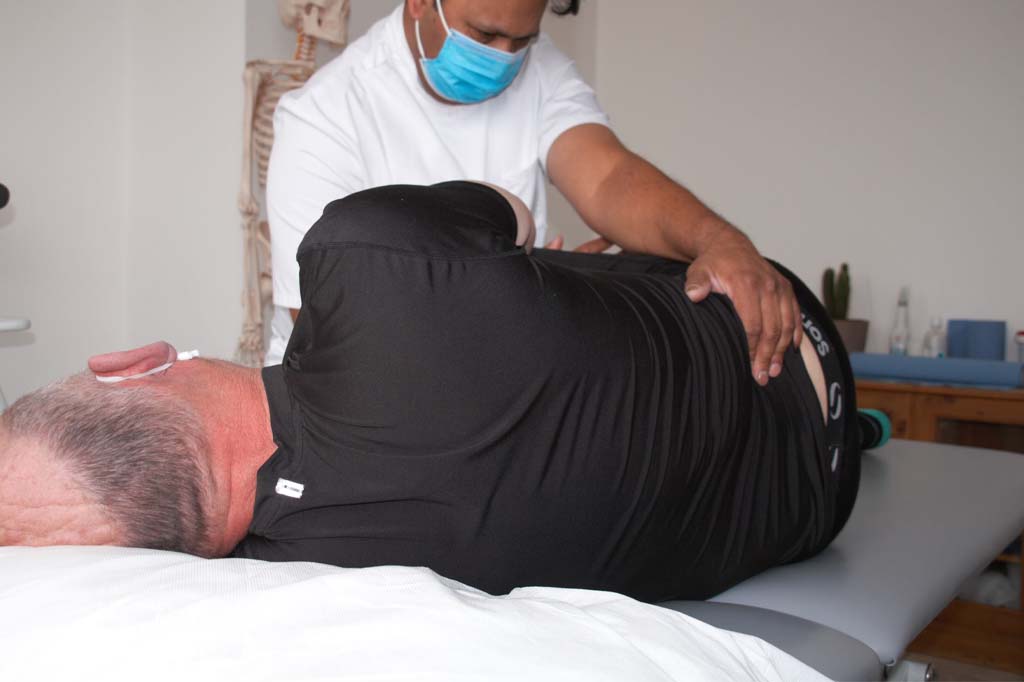
Research shows that osteopathic treatments can have beneficial effects, especially for back pain, helping you to return to normal activity. The UK National Institute of Health and Care Excellence (NICE) provides guidance for health services and recommends manual therapy, such as that provided by osteopaths, as part of a package of care for the management of low back pain and sciatica. Osteopathic treatment is based on the individual needs of the patient and will vary depending on your age, fitness, and diagnosis, but often focuses on releasing tension, stretching muscles and mobilising joints – all of which may help to relieve your pain.
You do not need to consult your GP before you visit an osteopath, although you may wish to do so.
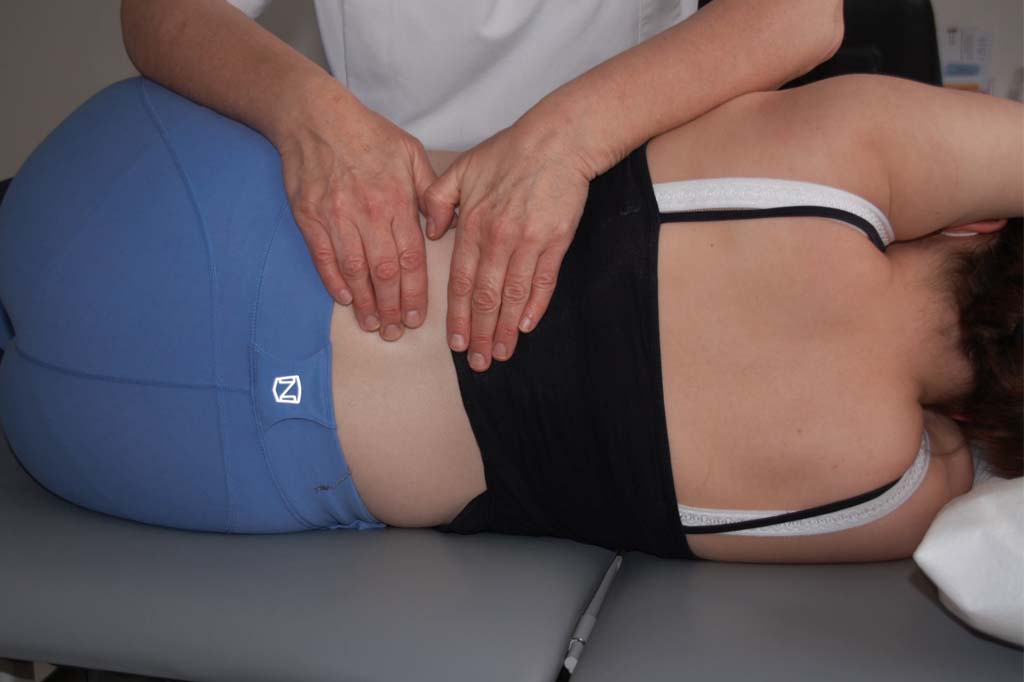
Back pain is one of the most common problems that patients come to us with. It’s either when they have just ‘got it’ and are in so much pain that it is disabling them, or after they have ‘had it for years’ and are now seeking our help to get rid of the pain and allow them to become more mobile. Most of the cases of back pain we come across are treatable. Usually, we start to resolve your problems during your first session with us. We then build on this each time you visit us. By following our individual patient specific treatment and management plan, we can resolve your problem and prevent it from returning.
A lot of people say to us that having back pain is ‘normal and they should learn to live with it’. We disagree.
Having pain is not normal. We are here to help you understand why you are in pain and immobile. We will help you get out of pain and help you stop the pain from coming back.
Many people may suffer back pain after repetitive heavy lifting, or after hours at the desk. Some people present with pain after playing a sport or doing an activity such as gardening. Sometimes this may occur after having an accident or being involved in a road traffic collision. Others find that their back pain has just slowly increased over time and that they have become more and more stiff.
The pain you experience may be sharp or dull. It can radiate around your side and into your arms and legs (‘sciatica’). It can also affect your strength. This is a very common occurrence, and we know how distressing it is. Your pain may radiate down your leg and into the foot. Pins and needles, numbness or weakness may also occur. Your pain will vary according to a range of factors that your osteopath will consider and advise you on.
The underlying causes of your pain are considered and explained to you before any treatment is given. Even though you may have complex spinal issues such as ‘disc bulges’ (‘slipped discs’), arthritis and other such issues, it does not mean that we cannot help you get better and with the right plan of care, these symptoms can be managed and disappear.
Neck Pain
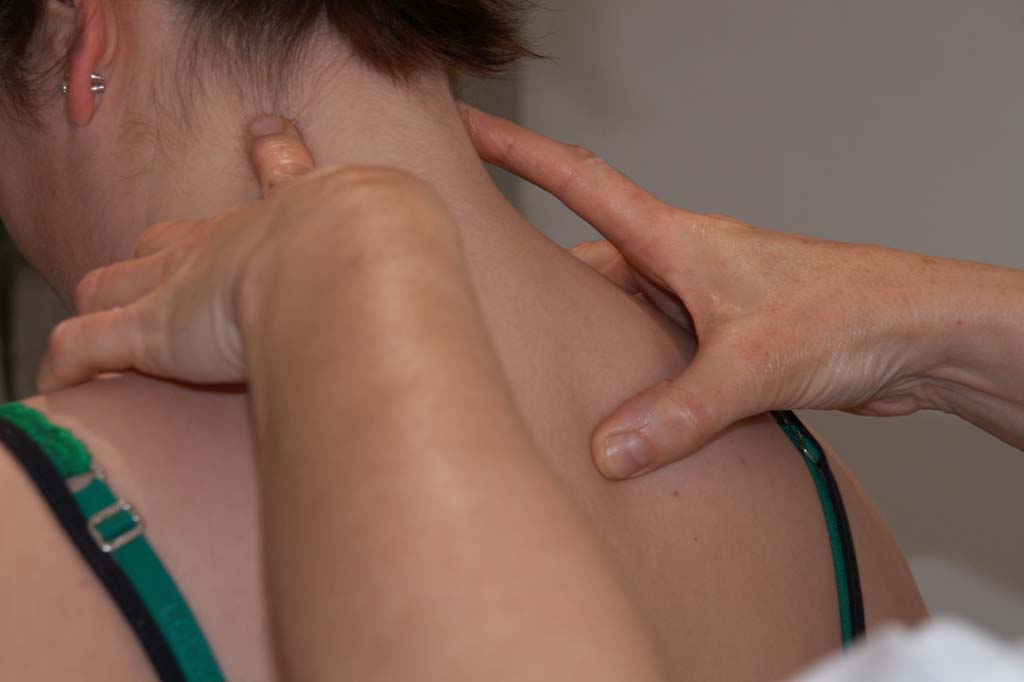
Today we spend lots of time straining our necks as we try to accommodate for the postures (computing, mobiles, driving) that it was not designed for. More patients are presenting to us with a variety of problems attributed to the body’s poor adaptation to these postures.
Many of our patients present with neck pain. This can be quite disconcerting and make them feel distressed and vulnerable. These symptoms may also be combined with pain that radiates into the head, jaw, shoulders, and arms.
The causes of your problems may stem from long periods of sitting at a desk or using IT equipment. Poor posture during these activities may also contribute. Your neck pain may also arise from periods of stress which causes tightening of the soft tissues such as muscles etc., of the neck and shoulders. Persistent pain may also stem from being involved in an accident or a road traffic collision. This may lead you to experience pain and restrictions in your movements and spine as a whole.
People often present to us saying they have a ‘trapped nerve’ and experience sharp excruciating pain and discomfort in the neck. They also note that if they make a sudden movement, their pain may get worse and shoot down their spine, or into their head or arms. This may be a result of degenerative changes that have occurred in the spinal joints of the neck. These can be normal wear and tear changes, that occur naturally but leave the spinal neck joints tight and stiff. As with back pain, your symptoms may arise from disc bulges ‘slipped discs’. Similarly, with the right care, advice and treatment from your osteopath you can make a full recovery from these problems.
Chronic Pain
We aim to provide relief from the relentless, exhausting pain that our patients experience.
Patients present to us after years of being in pain. Many of them have tried many types of treatment to help manage their problems. Chronic pain conditions such as fibromyalgia are difficult to diagnose and no one treatment is best for all patients who present with this condition. The persistent pain experienced is a result of the complex neurological interactions occurring at the site of pain and in the pathways, all the way to the brain. It is therefore important to consider the whole pathways and processes involved.
Osteopaths are trained to do this. They consider your problem in relation to your whole body. When we treat patients with chronic pain conditions it is particularly important that each patient is considered on an individual basis, tailor-making the treatment plan to fit each of their needs. By careful consideration of potential causes, we will be able to provide hands on treatment and slow, graded exercise progression, to help you effectively manage your condition better.

Headaches
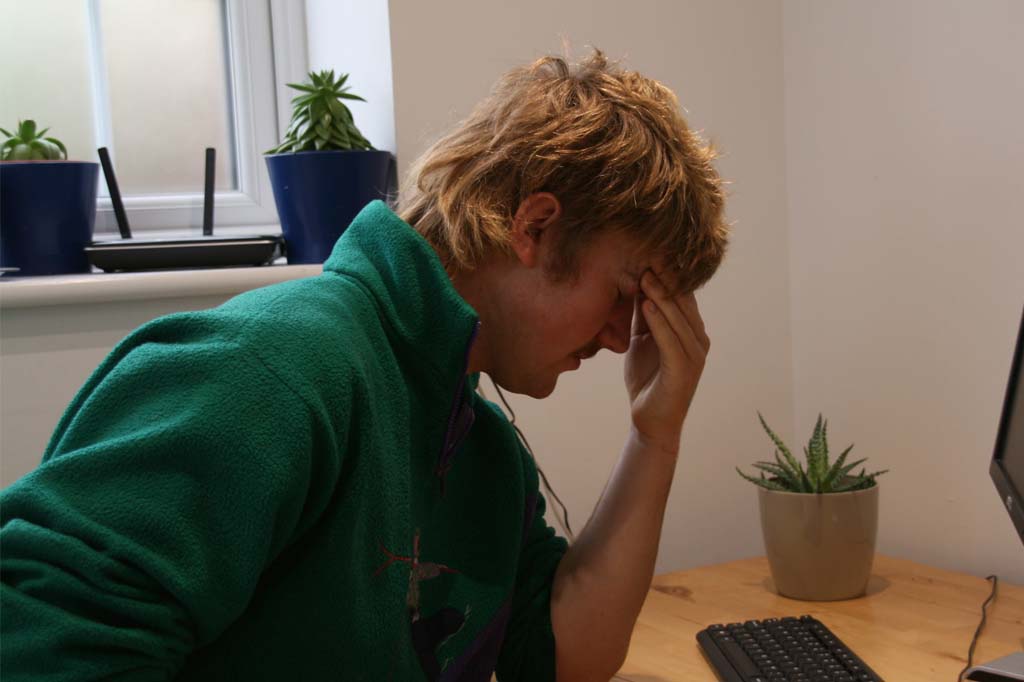
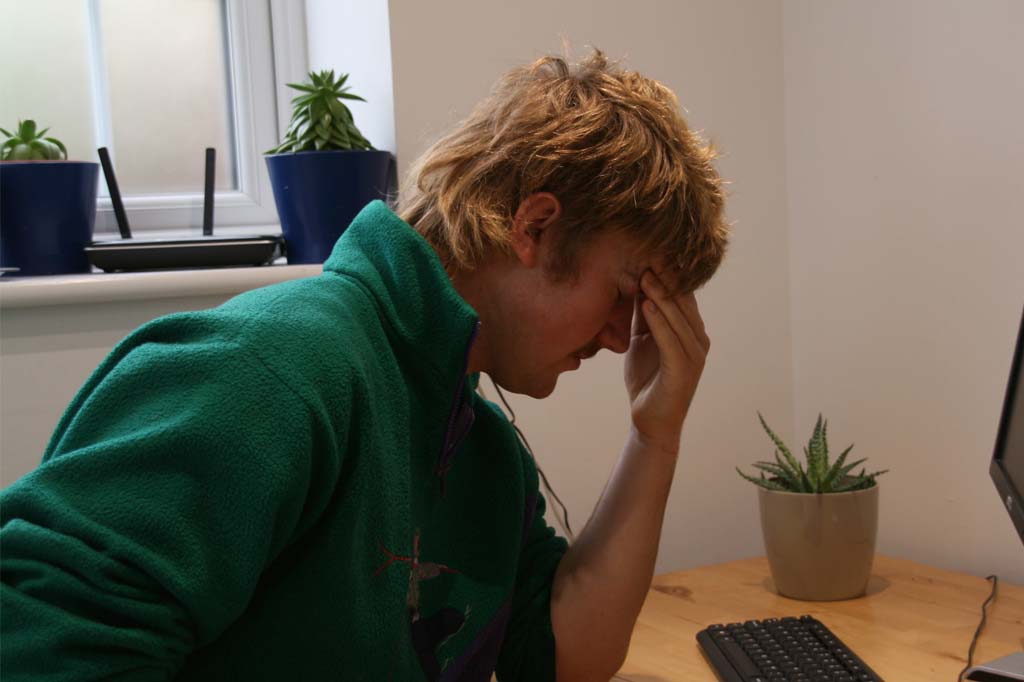
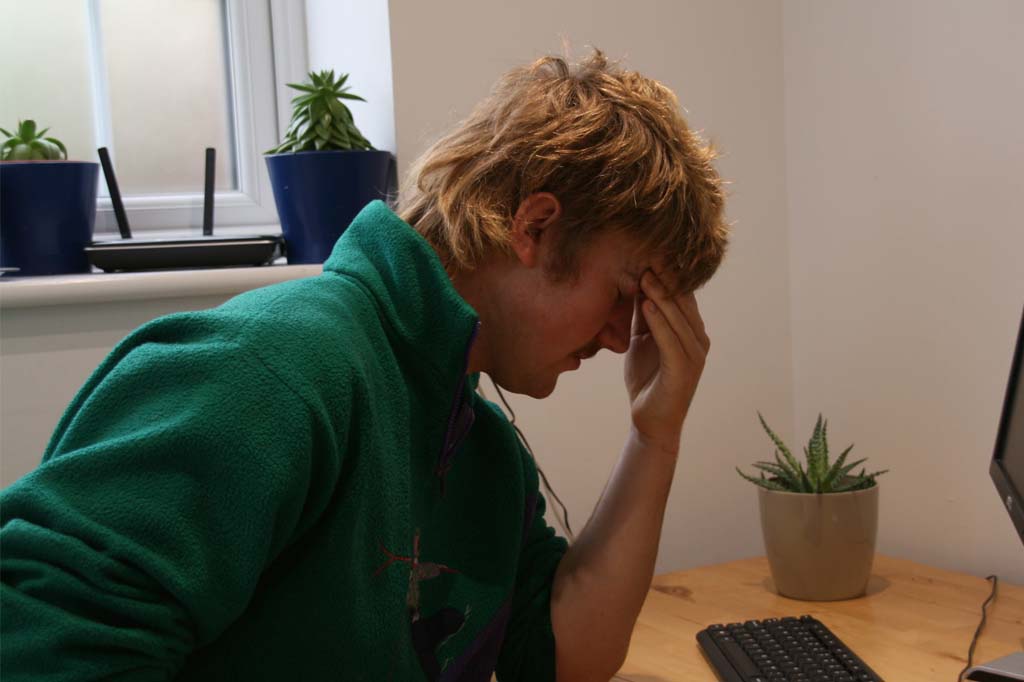
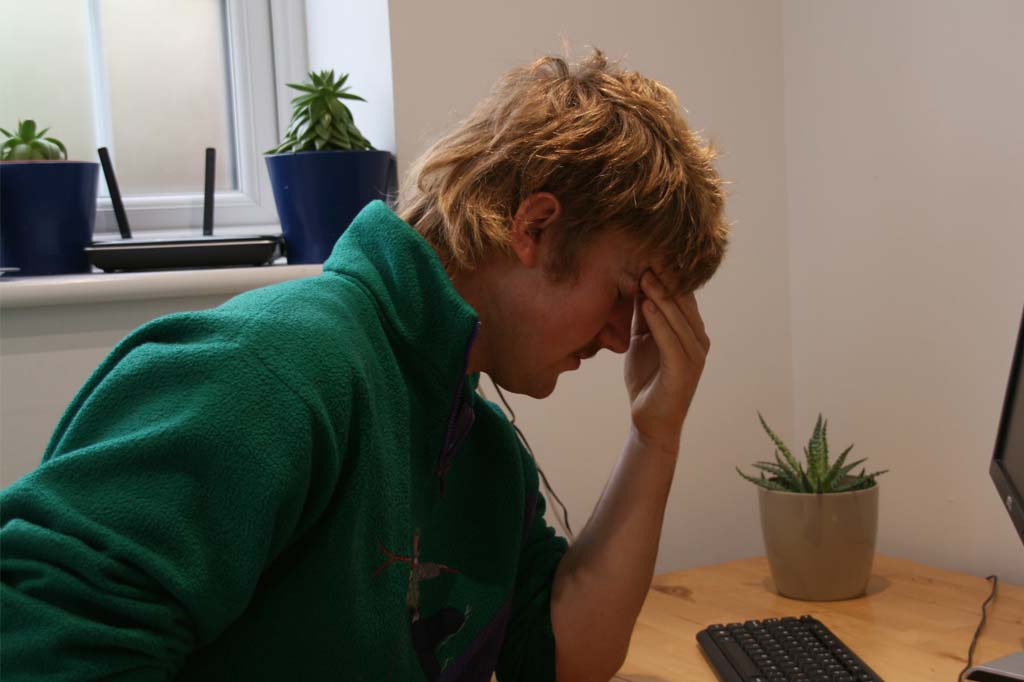
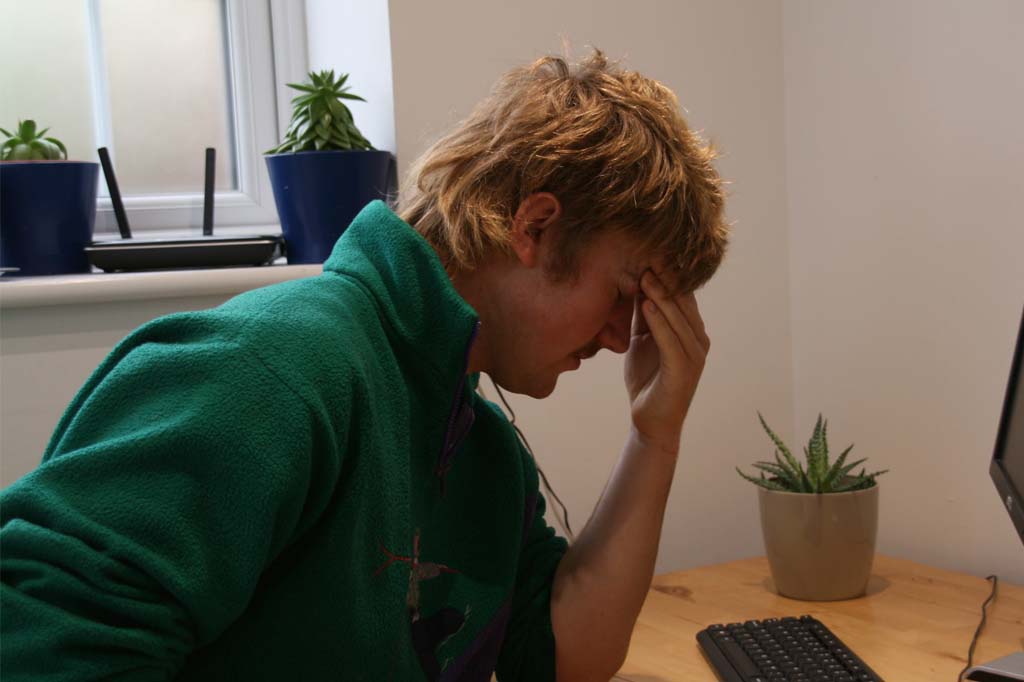
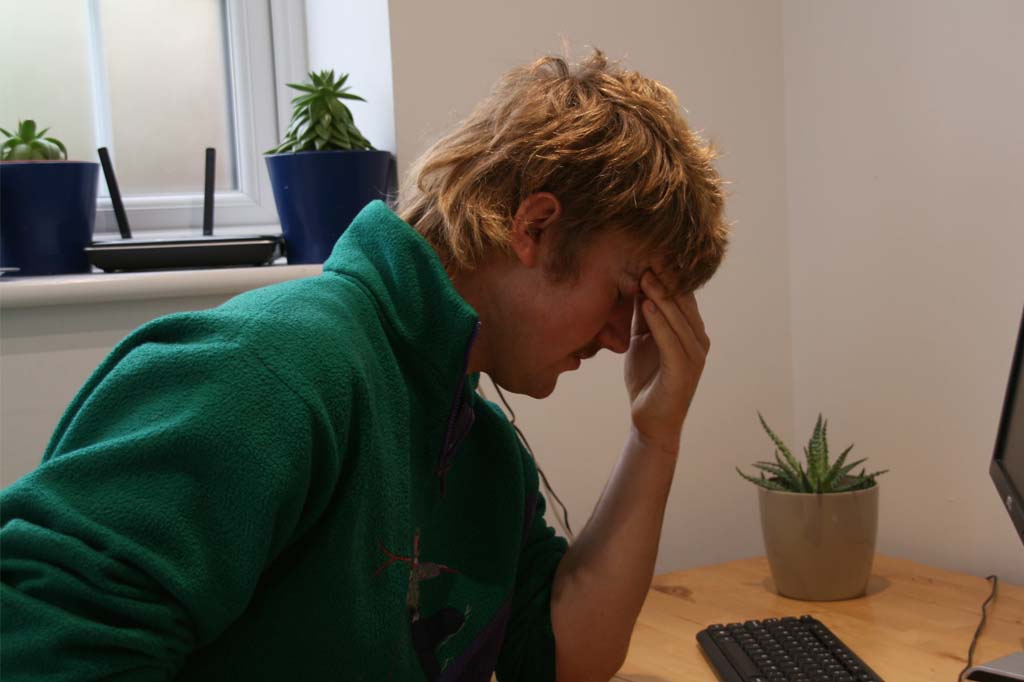
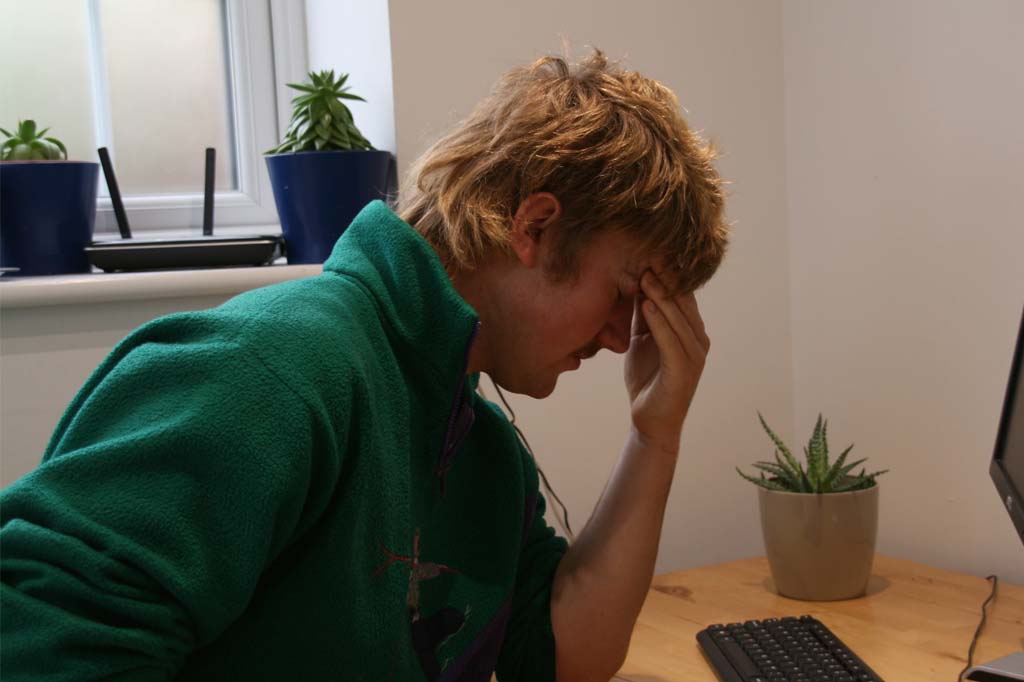
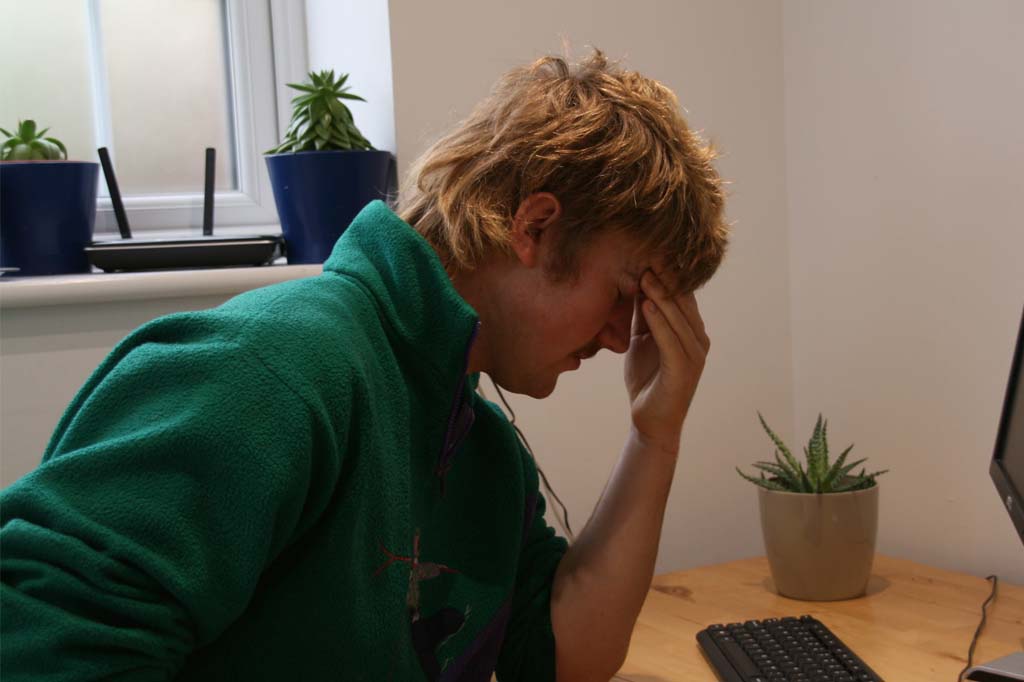
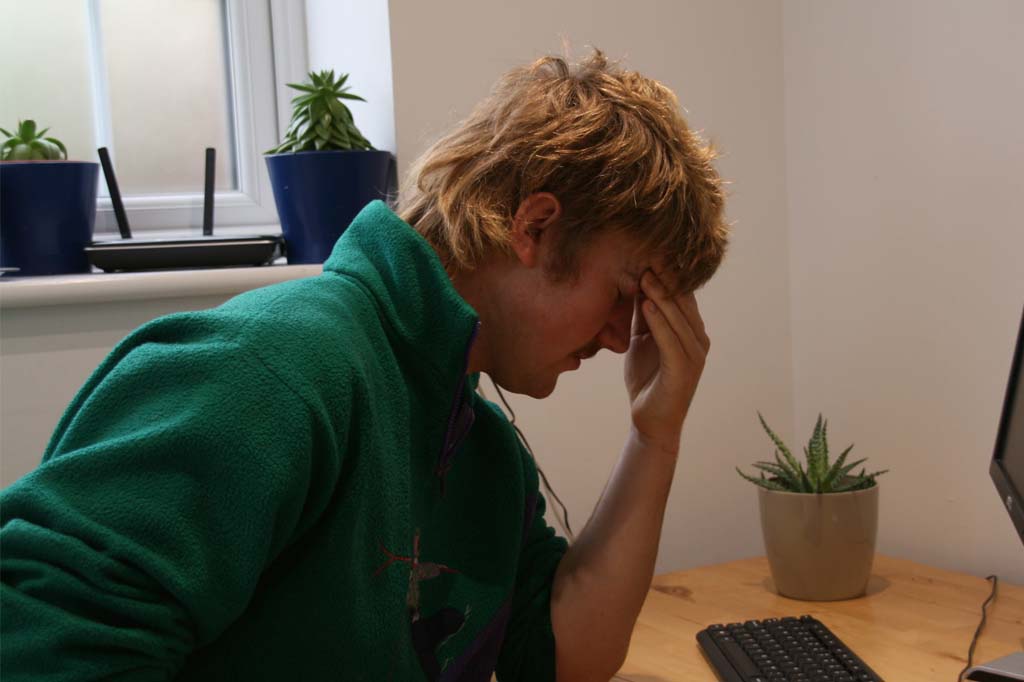
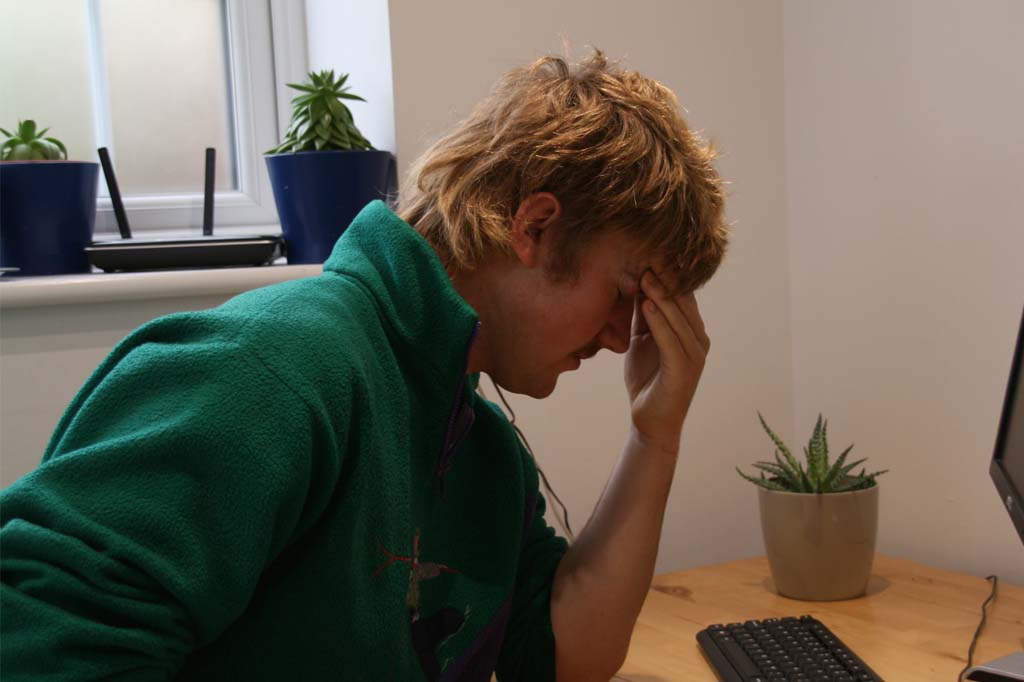
There are several reasons for the causes of headaches. Most are not serious. One cause can be tension or strain in the muscles and joints of the neck and upper back. Once the cause is established headaches can often be helped by osteopathic treatment and simple changes in lifestyle as well as regular exercises.
Treatment from an osteopath could help. Gentle massage to the tight muscles and manipulation to loosen the joints of the neck, thorax and back can relieve the build-up of muscular tension that may lead to headaches. Osteopaths can also advise on exercise and lifestyle changes and offer guidance on simple changes to your posture especially when you are sitting, driving or at the computer which can also help.
Headaches on and off, and the constant fear of the next one may damage family and social life as well as employment. The long-term effect of coping with a chronic headache may also predispose the individual to other illnesses such as anxiety and depression. WHO 2021.
Pregnancy-Related Pain
Osteopathy helps by easing the discomfort you feel during pregnancy. It can prepare you for labour and childbirth. It can help by restoring a feeling of wellbeing by treating the exhausting physical strains placed on your body at this time
Over the course of the pregnancy, the mother-to-be may struggle to accommodate to the changing shape and adaptation strains that occur in her body. This may result in her body’s systems becoming overloaded and displaying symptoms. We have developed skills within our training to treat the problems that develop during and after pregnancy. We can identify the parts of your body that are overloaded and carry out specific treatment to alleviate these stresses and strains, thus reducing the pain and dysfunction your feel.
We prepare you for childbirth. It is important that the mother’s body is well prepared for the labour process. The pelvis needs to be structurally well balanced and be able to allow the smooth passage of the infant. We work with our patients to release the old stresses and strains that have been picked up over the years. This gives you the best chance of an uncomplicated labour.
We help you to recover to a balanced status of health after the birth process. After birth, the body undergoes a rapid postural change to adapt to the dramatic reduction in size and weight of the uterus and its contents. The posture should return to normal as muscles regain their tone. If the position of the pelvis and sacrum has been disturbed during pregnancy or childbirth, and is nor corrected immediately, then the soft tissues ‘set’ the pelvis in this abnormal position. The pelvis and sacrum are key in setting the position of the whole spine and head. The resultant change in posture can still be seen many years on. This may give rise to problems elsewhere in the body long-term.
If you experience pain and dysfunction after birth, you may find it exhausting coping with the extra demands of your new family member. Osteopathic treatment aims at restoring the body back to optimum health for you to deal with the demands of your young family.
Not only will we help with the problems you present with, but we can also support you by liaising with your midwife or GP to help you get the best healthcare you need. We can also help by advising you on how you can help yourself. For example, we can advise you on postures whilst sitting, driving, sleeping, feeding your baby, exercises, nutritional recommendations and when to return to exercise.
Women’s Health
In order to see if we can help you, please call reception and request a call back from a
practitioner to discuss your health concerns.
Babies, Children & Teenagers
We consider the effects of pregnancy and birth and the implications that these events have on the growth, development, and health of your child.
Keeping your child healthy is every parent’s priority. Our aim is to provide the best environment to support your child’s health as they develop and grow. Osteopathic practice is safe and effective. Research has shown that people trust their osteopath and are extremely satisfied by their experience of osteopathic care. This provides parents with confidence in the level of care their children can expect to receive.
It is a commonly held view that because babies and children are young, they should not have any problems in their bodies. This is not the case. Birth is one of the most stressful events of life: your baby’s body is subject to enormous forces during the birth process. As your baby turns to position itself during the birth process, more strains are placed on the baby’s body and head.
Although the baby’s head is designed to mould to these stresses, this process may cause the body or head to become distorted. These strains are usually released after the birth process. However, if the birth stresses are unresolved, they are thought to become accommodated in the body’s natural growth adaptation patterns. This may result in your baby or child being uncomfortable and therefore unhappy or developing in an unsymmetrical way.
Not all osteopaths are qualified to treat babies and children. Osteopaths who undergo further training in this field after they attain their degrees are better equipped to treat problems that present. Following careful diagnosis, your osteopath may be able to explain the problems your baby or child is experiencing. Children’s requirements differ depending on the stage of their development. As they grow from infants, toddlers, children to teenagers, your osteopath will consider your child’s individual needs, age and stages of development, and adapt their advice and treatment accordingly.
Parents visit us for a range of reasons to support their child’s health. Children, like adults, can be affected by general joint and muscle issues, which is one of the reasons people often visit us. Parents will also bring their children to visit us for a variety of other health reasons which may benefit from our care. We use a wide range of gentle hands-on techniques that focus on releasing tension, improving mobility, and optimising function. This is often used together with exercise and helpful advice. Our osteopaths have been trained in very gentle techniques which are particularly suitable to assess and treat very young children, including new-borns. You do not need to consult your GP before you visit an osteopath, although you may wish to do so.
When you first visit an osteopath, you’ll be asked about the reason you have brought your child and their medical history. For babies and young children, this may include information about their birth. All information will be treated as confidential in accordance with the standards of practice set out by the General Osteopathic Council (GOsC) and the General Data Protection Regulation (GDPR). Your osteopath will complete a thorough examination that will determine if osteopathic care can support your child’s health. After this examination, your osteopath will discuss the care available, and you will then jointly decide an appropriate and suitable plan. This care plan may involve several visits and will often include relevant health advice. Your child’s treatment may begin at the first appointment. We work with our in-house midwife, other health professionals and GPs. If required, your osteopath may recommend your child be referred to another specialist health professional to ensure that your child receives the best possible care.

Sports Injuries
Recovering fully from injury is key to the performance of the body in the future.
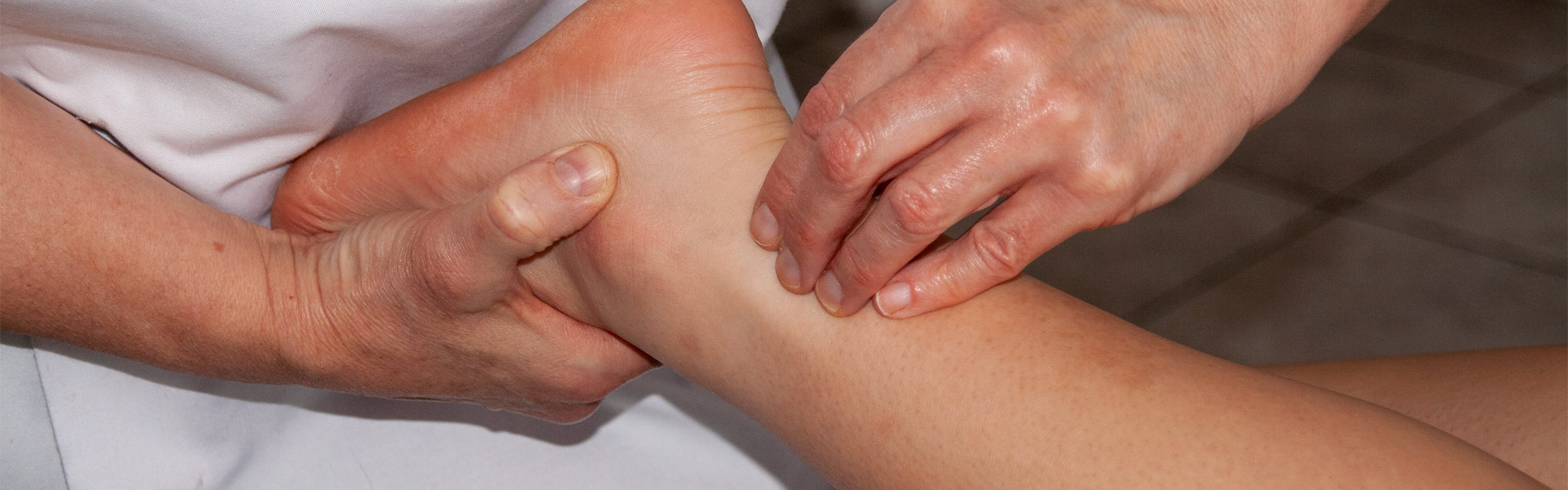
We specialise in treating a wide range of sporting injuries and the knock-on effects they have on other parts of your body. You will get a diagnose of your injuries and we will provide you with an expert opinion of how to resolve your problem. We will then start you on your recovery plan. Your rehabilitation recovery plan will involve osteopathic treatment and advice on exercise and posture. In addition to this, your osteopath may offer you advice about optimal nutrition or suggest a sport specific diet.
Participating in sports too often or too hard may result in an injury. Failing to warm up properly beforehand, or warm down and stretch after exercise may also result in strains. Using inappropriate equipment or wearing the wrong footwear may likewise hinder your performance and mat cause you injury. An unresolved injury, which might not even be related to sport, can make it difficult to even get started in a sport you want to do.
It is common to feel some minor discomfort after training, as the body takes a little time to recover and adapt to the demands of your activities. Soreness often quickly resolves itself, but occasionally it may persist for more than a few days or make it difficult for you to continue your normal activities. In these instances, you may want to seek advice from us. Osteopathic care is based on the individual needs of the patient and so varies depending on your age, fitness levels and diagnosis. Osteopaths use a wide range of gentle hands-on techniques that focus on releasing tension, stretching muscles, and mobilising joints. These are often used with exercise and helpful advice, together with strapping or taping, all of which are designed to relieve your pain, help you return to your normal activity levels and maintain the best of health.
Osteopathic practice is a safe and effective form of diagnosis, prevention, and treatment for a wide range of health issues. Osteopaths are highly trained healthcare professionals who are experts in the musculoskeletal system (joints, muscles, and associated tissues) and its relationship to other systems of the body.
Many of you present shortly after your injury has occurred. Or even a long time after the original injury occurred, as you feel your problem has not resolved itself or even is getting worse. You may also present after you have tried to carry on playing the sport that you love, but your problem is not getting any better. It may also be the case that other areas of your body are now experiencing problems which you now need help with.
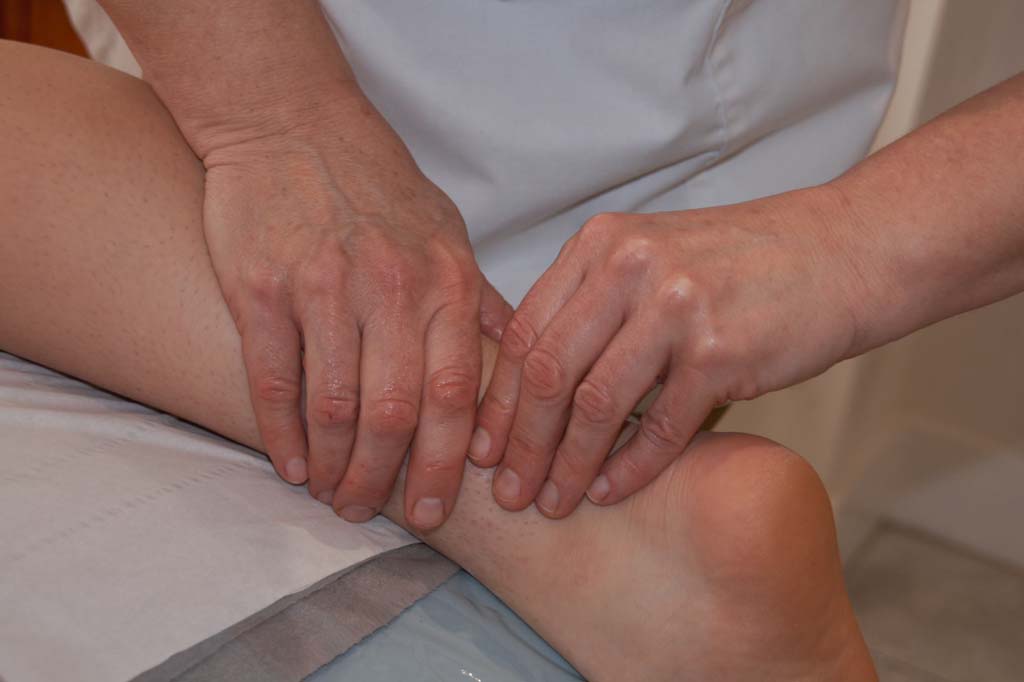
In an ideal world, we would like to see all injuries immediately after they have occurred. This allows us to prevent any adaptation patterns from setting in and subsequently affecting other parts of your body. An example of this, is often the case of a foot, ankle, or leg injury. Typically, the patient presents much later to us in clinic, with problems in the knee, hip or low back…and sometimes even in the neck, shoulders and head. These adaptation issues may even present to us in clinic as standalone problems. However, it is only after taking a detailed case history from you and exploring old injuries, that these are found to be the start of your problem. Interestingly, it is thought that these compensatory adaptation patterns could led to wearing out of other joints of your body in the future.
Whatever time you pay us a visit after having an injury, our practitioners can help you discover what you have done, how you have done it and help you go about healing it in the best way.
Shoulder & Arm Pain
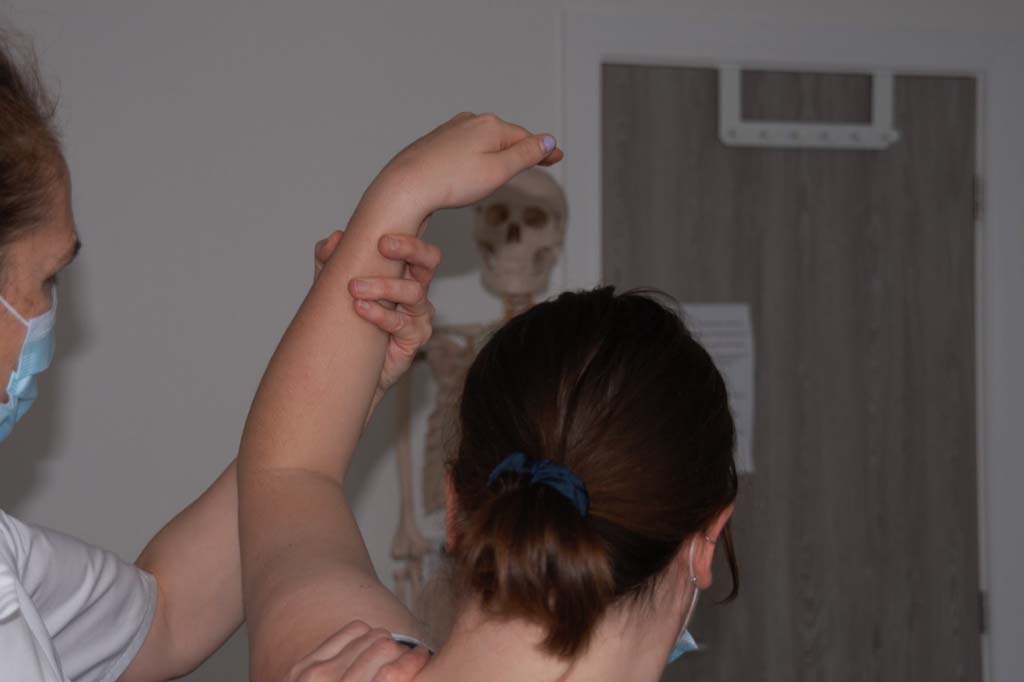
Shoulder and arm pain can be very disabling. It can stop you performing even the simplest of your daily tasks, such as getting dressed or brushing your teeth. Simple movement may produce excruciating pain and make you feel that there is no escape from the pain and stiffness that you are experiencing. There are many reasons for this pain and immobility, and most are not caused by serious conditions. With the correct diagnosis, careful treatment and exercise plan you can make a good recovery.
The shoulder is the most mobile joint in our body. For this reason, it is vulnerable to large amounts of movement and easily strained. We regularly see both shoulder and arm problems in our clinic. We will identify the cause of your problem and set about helping you to resolve it and allowing you to get back to doing the activities you want to, pain free.
Conditions such as frozen shoulder, rotator cuff injuries, subacromial impingement syndrome, tendinopathies, and bursitis, regularly present for us to resolve. These can be caused by many things such as sports and intense workouts, postural repetitive demands when working at the computer, repetitive strenuous activities at work or play, degenerative changes ‘wear and tear’, stress causing tight muscles and restricted joint movements, or even after an accident or trauma. All these conditions can affect our daily routines and tasks making life uncomfortable and difficult.
Interestingly, your shoulder or arm pain may be coming from another area of your body, rather than the site of pain. This is called ‘referred pain’. In this case pain may be experienced in your shoulder but may be coming from other areas, such as your upper back, arm, or neck. We are skilled at finding the origin of your pain and giving you the treatment that enables your body to fully recover.
Shoulder pain can be caused by rarer conditions such as rheumatoid arthritis, gall bladder problems or heart conditions. Your osteopath will examine you and carry out tests to diagnose the true origin of your problem.
Getting Older
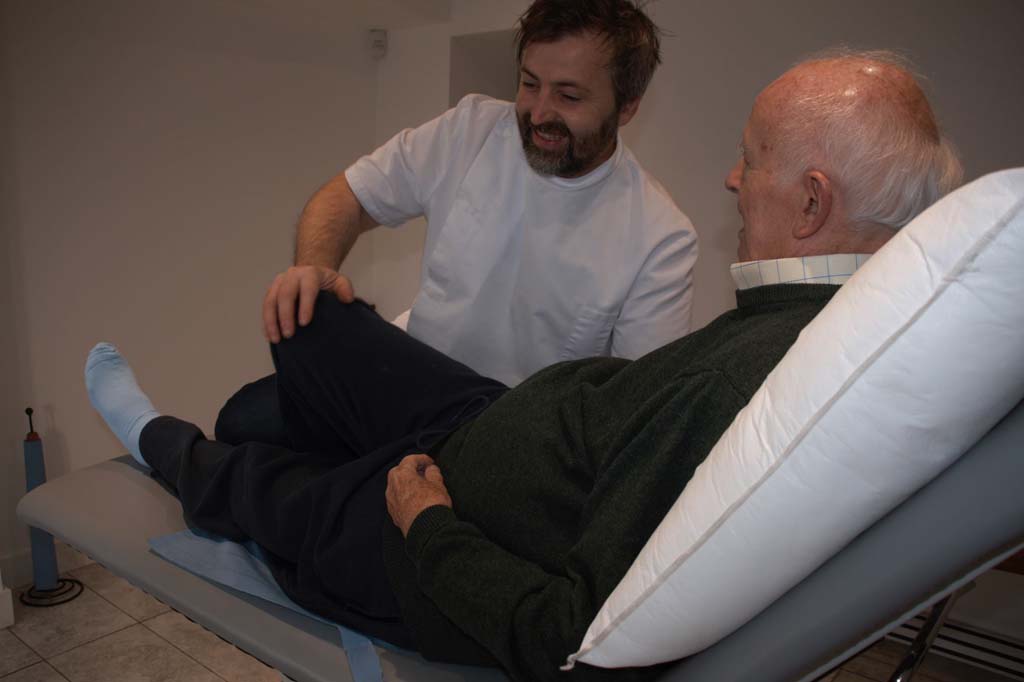
Ageing does not necessarily mean that we will have to experience increased pain or stiffness. There is no Age limit to having osteopathic treatment.
You don’t have to put up with aches and pains simply because you are getting older. If you do notice problems as you are getting older, your osteopath can work with you to keep you healthier, allowing you to enjoy the pleasures of life into your later years.
Many patients present to us when they are older with aches and pains. We can identify the changes that have occurred in the body that are causing these problems. These changes may be due to traumas or accidents that have occurred many years ago. These past life events put strains on parts of the body and may make the body’s joints more vulnerable to arthritic changes. It can be these joints that cause the patient more problems in the future, causing you to become exhausted as your body tries to cope with the demands placed upon these poorly functioning joints.
Osteopathic care is based on the individual needs of a patient. Osteopaths use a wide range of gentle hands-on techniques that focus on releasing tension, stretching muscles, and mobilising joints in order to get rid of those aches and pains and help you move better. After your osteopath gets on top of your problem and you become pain free and more mobile, they will always suggest ways of keeping active, preventing common problems such as falls and managing conditions such as osteoarthritis, rheumatic pain, and osteoporosis.
As we get older a lot of our patients use us for what they describe as a ‘regular service’. This helps them keep on top of their pain and maintain the improved mobility they have achieved with us; they pop in for a regular treatment that helps them maintain their health status. This regular interval maybe every 3 months, or even monthly depending on what the patient feels is most beneficial for their problem.
Although it is natural to worry about symptoms and their causes, we will always complete a routine examination that checks for more serious diagnoses and will advise and discuss any further action that might be required. After this examination, we will discuss treatment options with you and decide an appropriate and suitable treatment plan.
This plan may involve several visits and, very occasionally, further tests and/or referrals to another appropriate health care professional. Treatment may begin at the first appointment. There may be mild discomfort afterwards, but in most cases, this will pass within 24 hours. Usually, patients see benefits immediately after having treatment with us. Any concerns about treatment should be discussed with your osteopath. Growing older doesn’t mean accepting every ache!
Osteopaths are highly trained professionals who are skilled in diagnosing health issues, including those which may require further investigation. All information will be treated as confidential in accordance with the standards of practice set out by the General Osteopathic Council (GOsC) and the General Data Protection Regulation (GDPR)
Arthritis
Having wear and tear in your joints does NOT mean a lifetime having to accept every pain. With gentle osteopathic treatment we can maintain good joint mobility and freedom from pain, getting you back to doing the things your love.
Osteoarthritis or ‘wear and tear’ changes occur in almost any joint of the body. These changes are a result of the adaptive changes that the body makes because of the strains and stresses that it has had throughout its life. You may present to us with aching, stiff, and painful joints, in your knees, hips, spine, hands and feet. Swelling may also be visible in certain joints, especially in the knees, hands, and feet.
Osteopathic treatment can work to relieve the pain you are experiencing by improving the circulation of the joints using our osteopathic techniques that are specifically designed to treat these types of problems. We work with our patients to improve your mobility and decrease the pain you are feeling. In some cases, regular follow up treatments with us are advisable. This allows us to keep you as pain free as possible whilst maintaining good mobility, and in some cases delay any invasive surgical interventions, if that is your aim.

Knee & Hip Pain
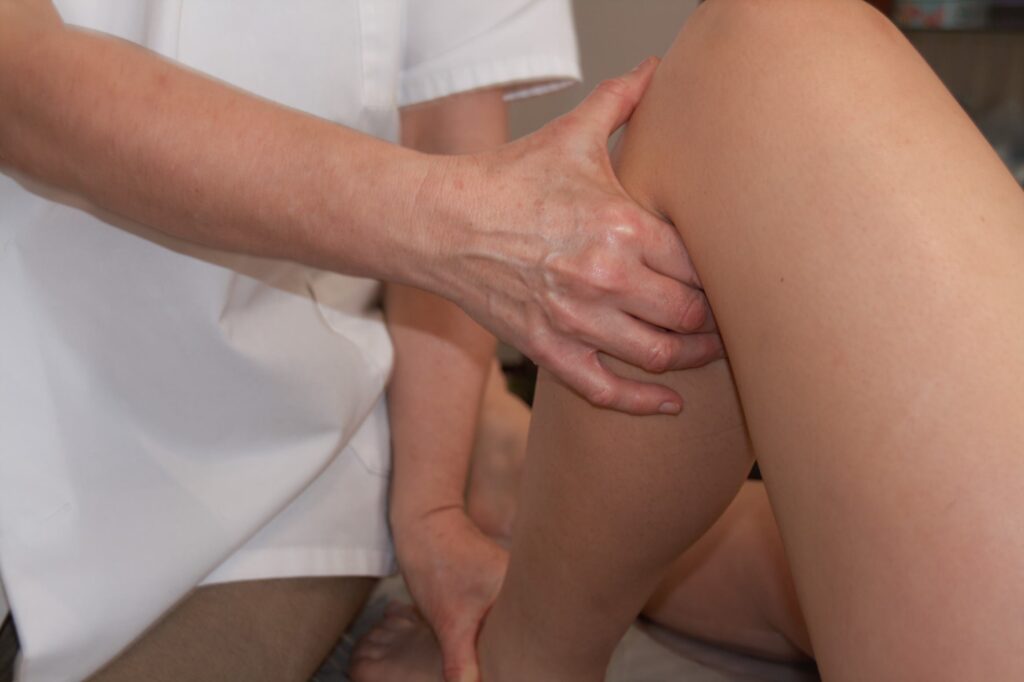
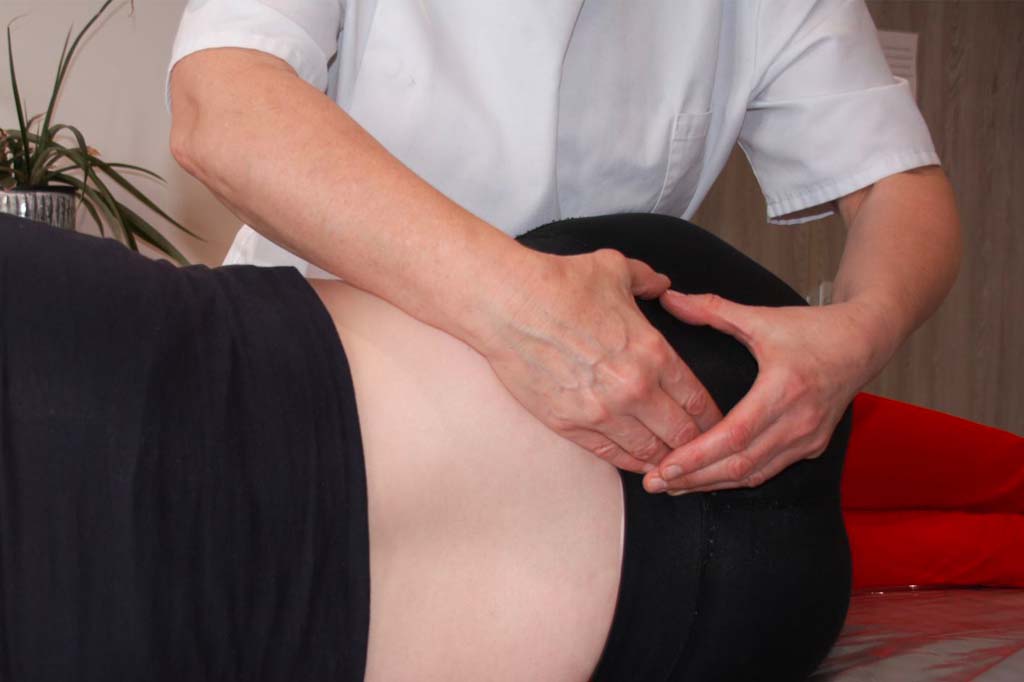
Osteopaths provide you with hands on treatment to relieve the pain and discomfort you are experiencing and help you get back to do the things you enjoy quickly.
Many of you present in our clinic with knee and hip pain. This can be associated with low back pain. Your symptoms may be due to injuries to ligaments, cartilage, muscles, tendons, or even joint arthritis i.e., ‘wear and tear’. We diagnose your problem and come up with the best treatment plan for your circumstances. For your best care, we consider other parts of your body that place demands on the knees and hip joints, such as feet (arches) ankles etc and even your low back.
Careful diagnosis and treatment by us allow you to receive the care you require to make the best recovery, in the shortest period. Our aim is to get you to a level of pain-free mobility that will allow you to get back to doing the things you love. In addition, if it is what you desire, our regular follow-up treatment plans can help you to maintain these benefits whilst delaying any invasive surgical procedures.
In order to see if we can help you, please call reception and request a call back from a practitioner to discuss your health concerns.
Headaches
There are several reasons for the causes of headaches. Most are not serious. One cause can be tension or strain in the muscles and joints of the neck and upper back. Once the cause is established headaches can often be helped by osteopathic treatment and simple changes in lifestyle as well as regular exercises.
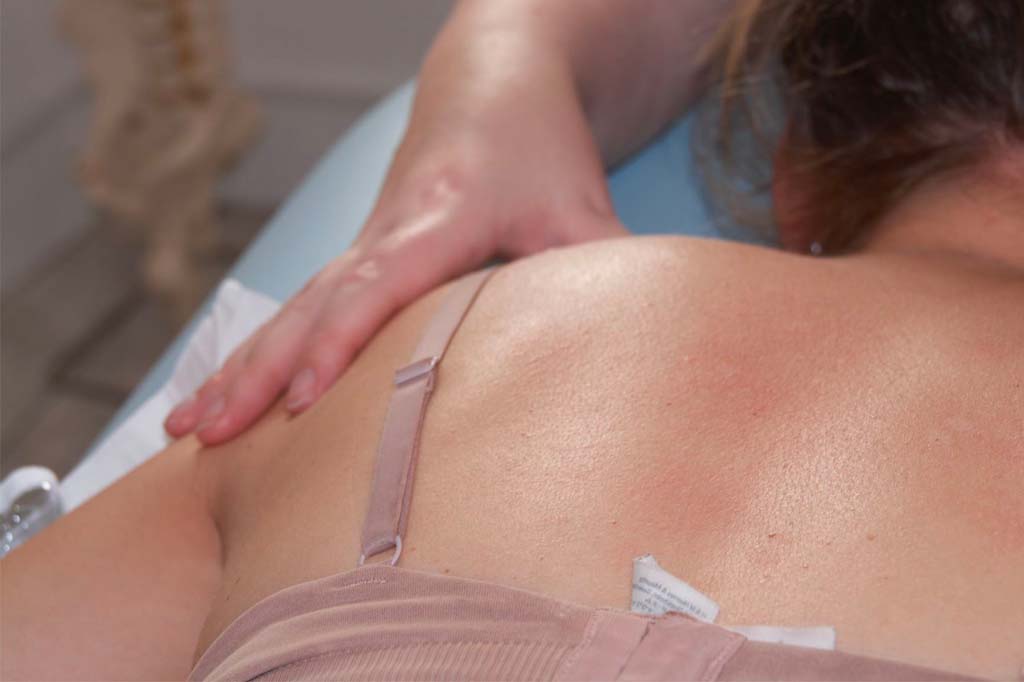
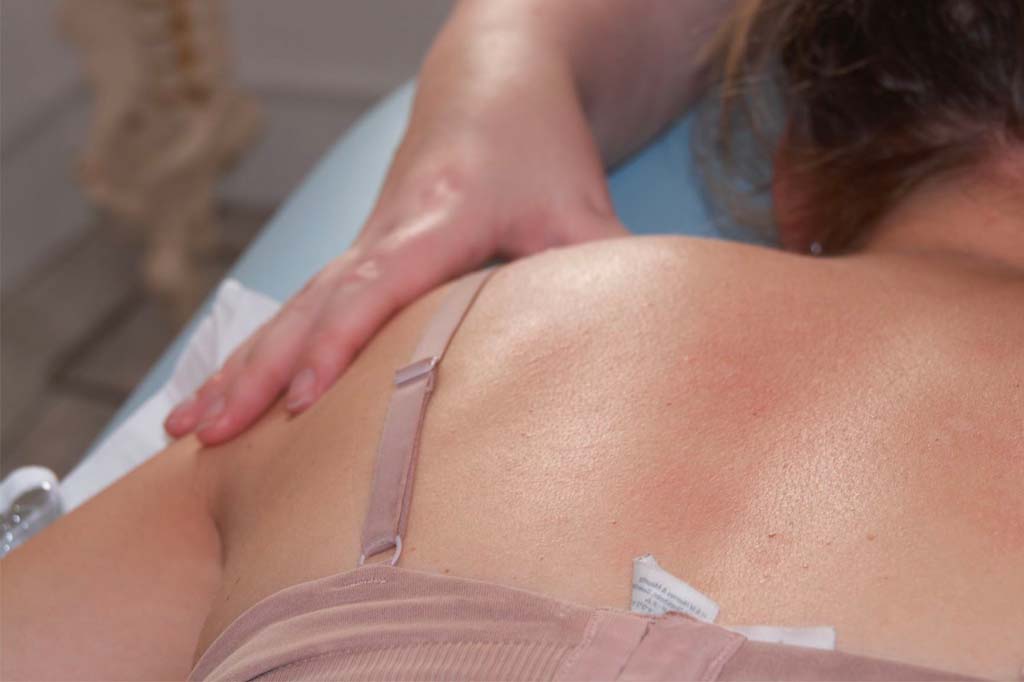
Treatment from an osteopath could help. Gentle massage to the tight muscles and manipulation to loosen the joints of the neck, thorax and back can relieve the build-up of muscular tension that may lead to headaches. Osteopaths can also advise on exercise and lifestyle changes and offer guidance on simple changes to your posture especially when you are sitting, driving or at the computer which can also help.
Headaches on and off, and the constant fear of the next one may damage family and social life as well as employment. The long-term effect of coping with a chronic headache may also predispose the individual to other illnesses such as anxiety and depression. WHO 2021.